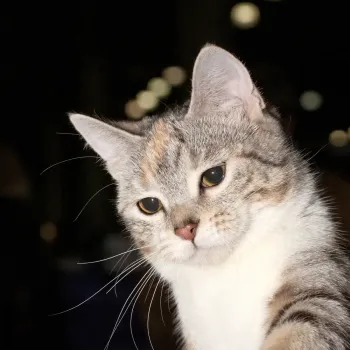
The Munchkin is a cat breed recognised provisionally by the WCF (code MNS). It is defined primarily by its low stature resulting from shortened limbs, whilst the torso reaches the normal size for an adult cat. The breed originates from the United States, where its modern history began with a short-legged cat named Blackberry, found in Louisiana in 1983. Munchkins are available in both short-haired and long-haired varieties.
The Munchkin originates from the United States. The breed's modern history began with Blackberry, a short-legged cat discovered in Louisiana in 1983. Part of her offspring inherited shortened limbs, which became the breed's most recognisable characteristic. However, cats with similar builds had been documented in other parts of the world earlier in history.
The defining feature is the low stature resulting from shortened limbs, whilst maintaining normal torso length. The body is well-muscled, with a rounded chest and strong hindquarters. The hind legs may be slightly longer than the front legs. The paws are compact and rounded, and the tail tapers to a rounded tip. Adult females typically weigh approximately 2.3-3.2 kg, whilst males weigh 3.2-4.5 kg.
The head has a modified wedge shape with soft contours and distinct cheekbones. The ears are broader at the base with gently rounded tips. The widely set eyes resemble walnuts in shape, giving the face an alert expression.
All colours and patterns are permissible, including solid, tabby, tortoiseshell, white markings and colourpoint. Eye colour need not correspond to coat colour. The breed is distinguished primarily by its limb proportions rather than by specific coat colour.
The Munchkin is typically sociable, curious and playful. It enjoys exploring its surroundings, chasing toys and participating in household activities. Many cats of this breed seek human companionship and are content to rest beside their owner after play. It can adapt well to families with children and other animals, provided interactions are calm and introductions are gradual. The shortened limbs do not diminish its need for movement and exploration, though temperament and agility should be assessed individually.
The short-haired Munchkin has a springy, slightly plush coat with moderate undercoat and requires brushing once a week. The long-haired variety has a semi-long, silky, flowing coat with a plumed tail, and may display a delicate ruff and longer hair on the hind legs. The longer coat requires more frequent grooming, particularly in areas prone to matting.
The shortened limbs result from a hereditary developmental disorder of the bones, termed chondrodysplasia, which is associated with a change in the UGDH gene. Short limbs may make jumping, climbing and self-grooming more difficult. It is important to monitor the cat's movement, any reluctance to be active and signs of discomfort. Excess weight additionally strains the bones and joints, so maintaining proper body condition is particularly important. Data regarding the frequency and long-term effects of orthopaedic problems in this breed remain limited. Consultation with a veterinary surgeon is important when choosing and caring for a cat of this breed.
| Organisation | Recognised | Breed code | Category |
|---|---|---|---|
| WCF | yes | MNS | — |
- What is the origin of the Munchkin breed?
- The breed originates from the United States. Its modern history began with Blackberry, a short-legged cat found in Louisiana in 1983, whose offspring inherited the trait of shortened limbs.
- Are short legs merely a cosmetic difference?
- No, they result from chondrodysplasia, a hereditary developmental disorder of the bones. They may make jumping, climbing and grooming more difficult, so it is important to monitor changes in the cat's movement and condition.
- What grooming requirements does the breed have?
- The short-haired Munchkin requires brushing once a week, whilst the long-haired variety requires more frequent grooming, particularly in areas prone to matting.
- What coat colours and patterns are acceptable in Munchkins?
- All colours and patterns are permissible, including solid, tabby, tortoiseshell, white markings and colourpoint. Eye colour need not correspond to coat colour.
- Can a Munchkin live with children and other animals?
- Yes, it can adapt well to families with children and other animals, provided that interactions are calm and introductions are gradual.